Technology at Drill Dental
Dental 3D Printing
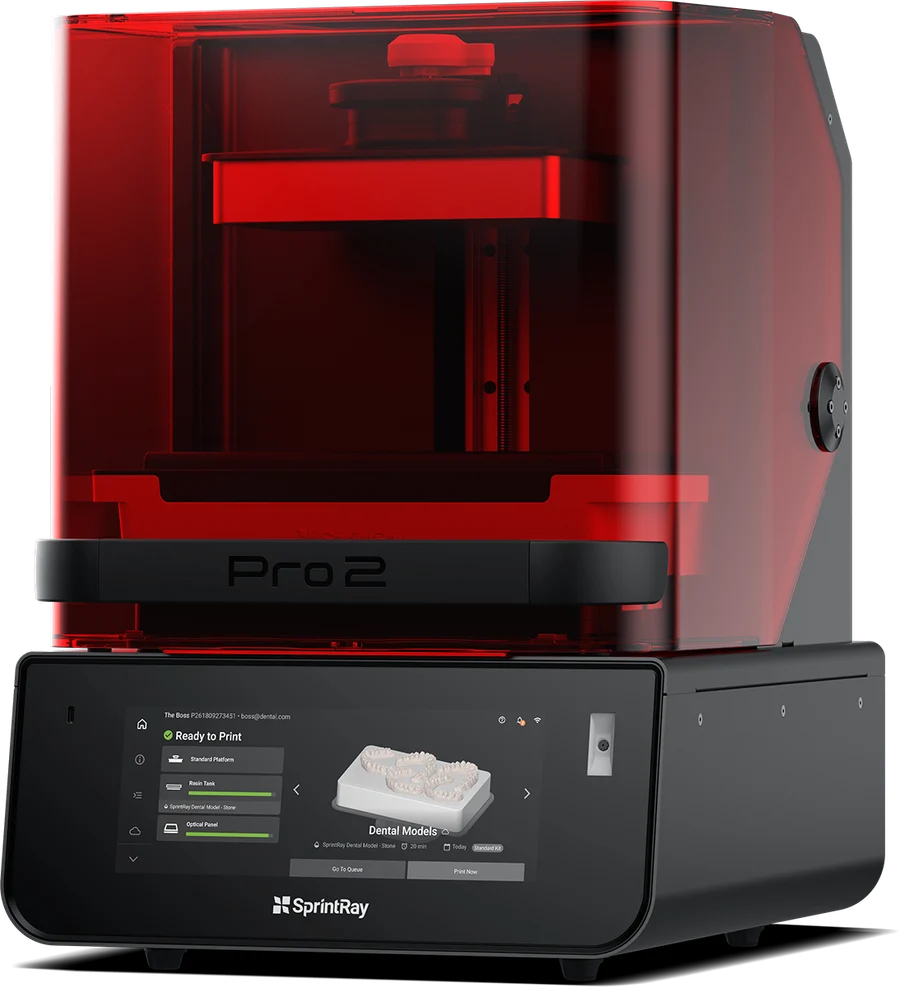
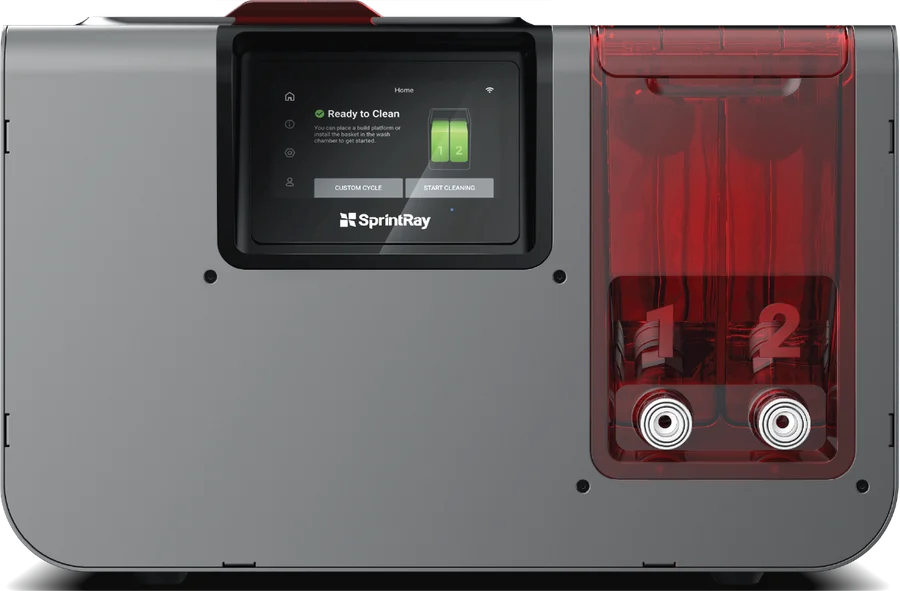
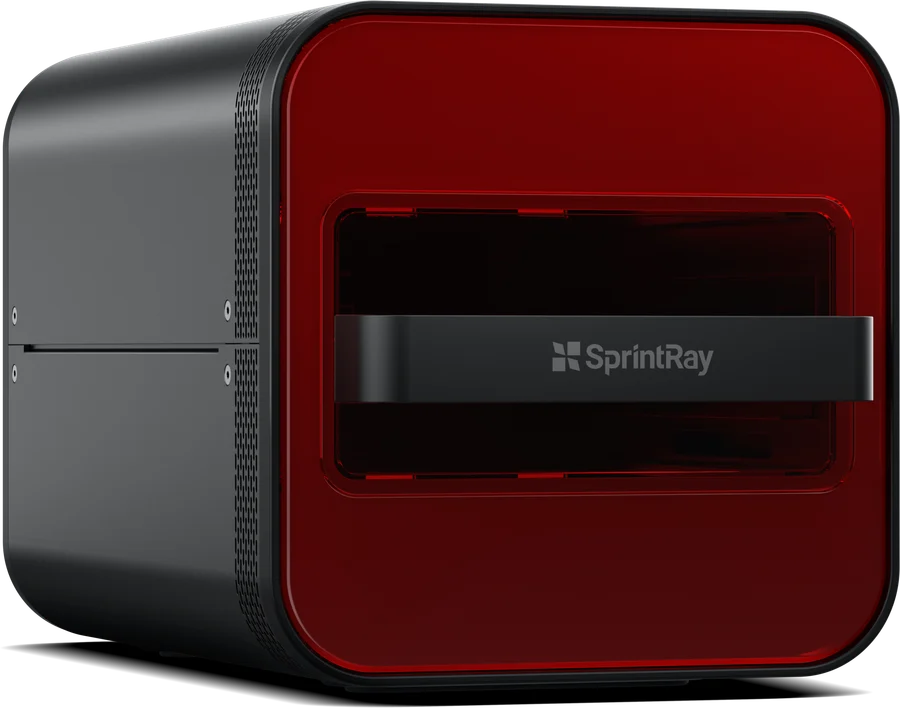
SprintRay Pro 2 with washing and curing equipment. Product image: SprintRay.
 From digital design to a physical form
Dental 3D printing turns a digital design into a physical object, building it one thin layer at a time.
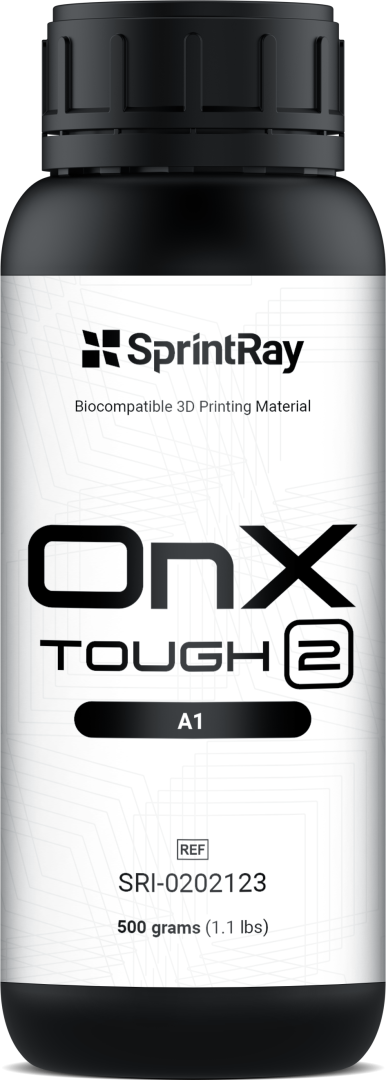
OnX Tough 2
A SprintRay dental printing material used for fixed hybrid dentures. Your dentist chooses the material and workflow for your treatment.
Product image: SprintRay.
What it does
A dental printer follows a three-dimensional design to build an object layer by layer. The material and finishing process depend on what is being made. Printing is one part of a larger process that includes design, preparation, finishing, and a check of the finished item.
At Drill Dental
SprintRay printers are part of our dental technology. They connect digital design with hands-on dental work. Your dentist can explain whether a printed item is part of your plan and how it will be used during your care.
What this means for your visit
The printing itself happens away from your mouth. If your treatment uses a printed item, you may first need a scan or other records. Any item intended for use in your mouth still needs appropriate finishing and a clinical check. Your appointment schedule depends on your treatment and the work involved.
Questions patients ask
Does 3D printing mean everything can be made in one visit?
No. The printing time is only one part of the process. Design, finishing, fit, and your treatment needs determine the schedule. We will explain the visits needed for your individual plan.
Is every dental restoration 3D printed?
No. Dental restorations and appliances can be made using different methods and materials. Your dentist chooses an approach based on the purpose of the item, your bite, and your treatment needs.